Reflexology
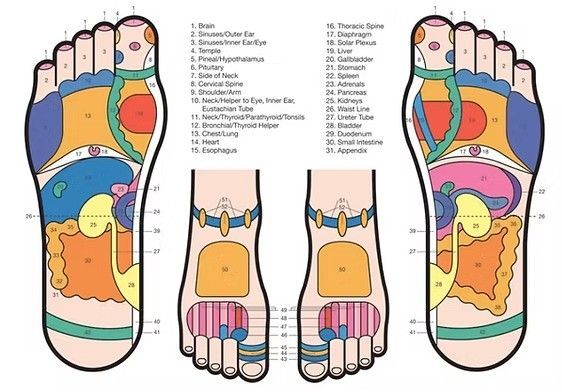
Reflexology focuses on the feet and hands, where specific reflex points correspond to organs, glands, and systems throughout the body. By applying targeted pressure to these areas, this technique stimulates the nervous system, encourages circulation, and supports the body’s natural ability to restore balance.
Working through these well-established reflex maps, reflexology helps release tension, promote relaxation, and enhance overall function—offering a simple, effective, and deeply calming approach to whole-body wellness.
Benefits of Reflexology
- Activates reflex pathways that promote whole-body wellness
- Encourages deep nervous system regulation and grounding
- Helps alleviate headaches, migraines, and sinus pressure
- Supports digestive health and gut function
- Reduces muscle tension and physical fatigue
- Enhances mental clarity and focus
- Assists in lowering anxiety and emotional overwhelm
- Promotes natural energy flow
- Aids in recovery from stress-related conditions
- Improves overall sense of calm, stability, and well-being
Support for Inner Organs
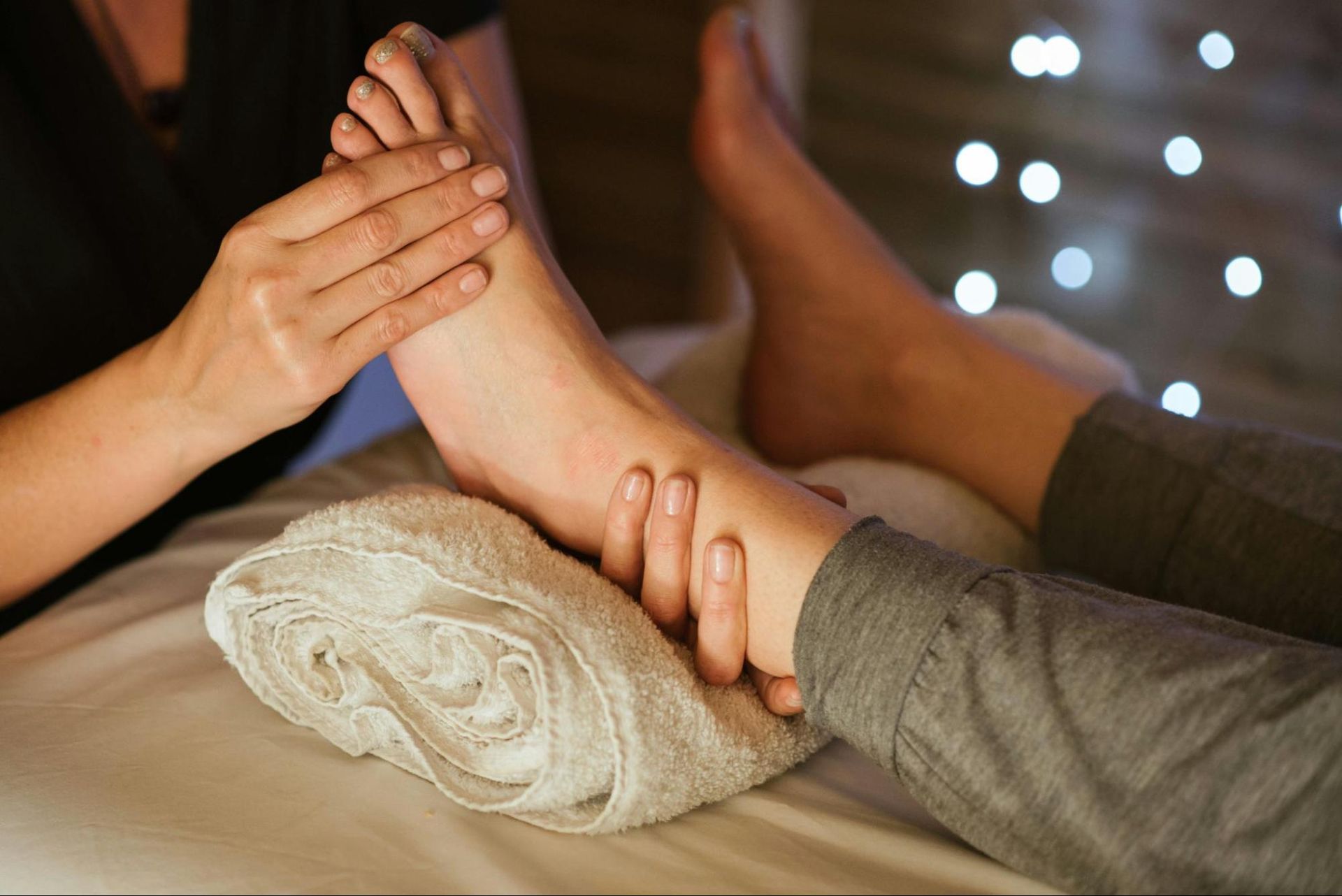
Medical reflexology works through a detailed map of reflex zones found in the body, including the feet, hands, and ears—each corresponding to specific organs, glands, and systems within the body. By applying intentional, focused pressure to these areas, the practitioner helps stimulate communication between the nervous system and the targeted region. This can support improved function, encourage balance, and help the body address underlying imbalances without direct manipulation of the affected organ itself.
Connective Tissue Zones
Reflex zones in the connective tissue can have a direct effect on the entire body, including inner organs. These reflex zones are different than reflex points. They are areas where the fascia is restricted and have identifiable patterns when connected to inner organ issues and muscular imbalances. Treating the connective tissue zones has a profound effect on how the body behaves. Opening up these restricted pathways relieves pain, improves circulation and enhances overall wellness.
Promote Healing
Reflexology supports the body’s natural healing processes by improving circulation, reducing stress, and stimulating key reflex zones associated with areas in need of repair. As the body shifts into a relaxed, balanced state, it becomes more efficient at healing tissues, reducing inflammation, and restoring normal function. This makes reflexology a valuable complementary approach for those recovering from injury, illness, or chronic conditions, helping the body heal more effectively and holistically.
Support Digestion, Hormone Balance, and Detoxification
Through targeted stimulation of reflex zones related to the digestive system, endocrine glands, and detox organs like the liver and kidneys, reflexology can help the body regulate key internal processes. This may lead to improved digestion, better hormonal balance, and more efficient elimination of toxins. By supporting these foundational systems, reflexology contributes to overall health and long-term wellness.
Improve Sleep Quality
Reflexology has a calming effect on both the mind and body, making it an excellent support for those struggling with sleep disturbances or mental fatigue. As stress levels decrease and the nervous system settles, the body is better able to enter deep, restorative sleep cycles. At the same time, clients often experience improved mental clarity, sharper focus, and a greater sense of emotional balance, helping them feel more present and energized in their daily lives.
Activate the Parasympathetic (rest-and-repair) Response
One of the most powerful effects of reflexology is its ability to shift the body out of a chronic stress state (sympathetic dominance) and into the parasympathetic state, where healing occurs. As the body relaxes, heart rate slows, breathing deepens, and the mind becomes calm. This allows the body to repair tissues, regulate systems, and restore equilibrium—making reflexology especially effective for those dealing with ongoing stress, anxiety, or burnout.