What Is EMDR Therapy—and How It Helps the Brain Heal Trauma
Many people carry the emotional weight of past experiences long after the event has passed. Even when life looks “fine” on the outside, the nervous system may still be reacting as if the danger is present. EMDR therapy offers a powerful, science-based way to help the brain process and release those experiences—often faster and more comfortably than traditional talk therapy.
What Does EMDR Stand For?
EMDR stands for Eye Movement Desensitization and Reprocessing. It is a structured therapeutic approach originally developed to help individuals recover from trauma and distressing life events. Today, EMDR is widely used for anxiety, PTSD, phobias, grief, performance blocks, and emotional overwhelm.
How EMDR Works
When something overwhelming happens, the brain doesn’t always process the experience fully. Instead, the memory can become “stuck,” along with the emotions, beliefs, and body sensations tied to it. This is why a present-day trigger can suddenly bring up intense fear, sadness, or panic—even when you logically know you’re safe.
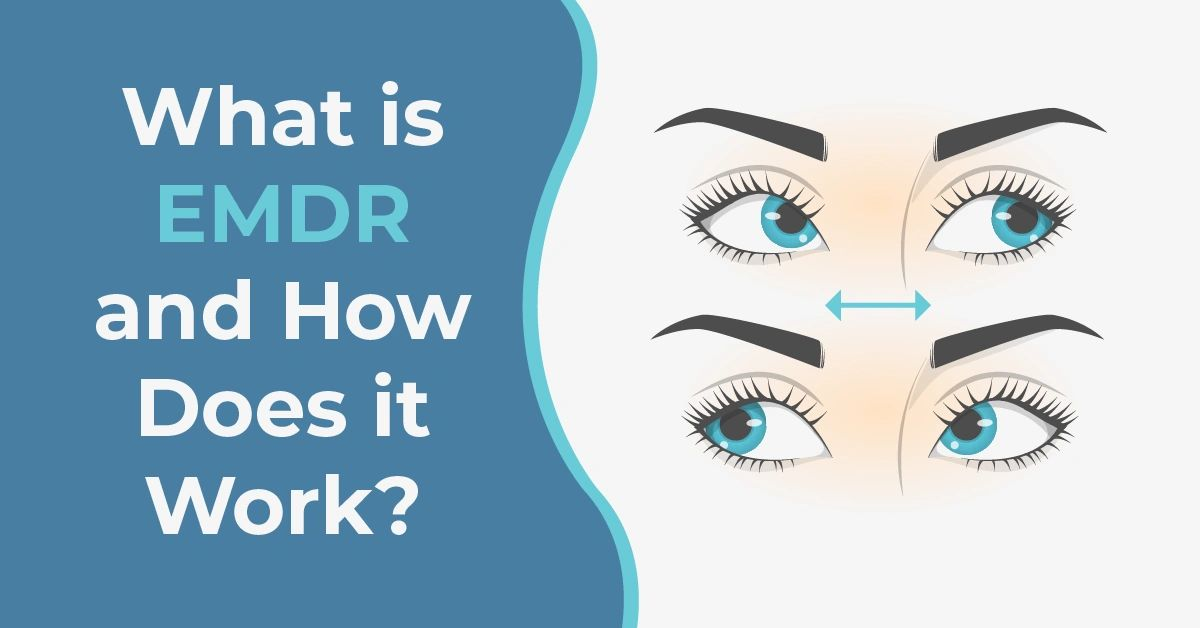
EMDR uses bilateral stimulation (such as guided eye movements or alternating sensations) to help the brain resume its natural processing ability. This allows the nervous system to re-file the memory in a healthier way—without reliving or re-experiencing the trauma.
What a Session Feels Like
Contrary to common fears, EMDR does not require detailed storytelling or reliving painful memories. Most sessions involve:
- Briefly identifying a target memory or feeling
- Following guided bilateral stimulation
- Allowing the brain to process naturally
- Noticing shifts in emotional or physical responses
Many clients report feeling lighter, calmer, and more regulated—even after a single session.
Conditions EMDR Can Help With
EMDR is effective for a wide range of emotional and nervous-system-based concerns, including:
- Anxiety and panic attacks
- Trauma and PTSD
- Childhood emotional wounds
- Grief and loss
- Phobias and fears
- Performance anxiety and confidence blocks
- Chronic stress and emotional overwhelm
Rather than coping with symptoms, EMDR helps resolve the root cause stored in the nervous system.
Why EMDR Is Different From Talk Therapy
Traditional talk therapy focuses on insight and understanding. EMDR works at a deeper level—helping the brain and body complete unfinished emotional processing. This is why many people find EMDR faster and more effective when they feel “stuck” despite years of trying to think their way through an issue.
A Natural Healing Process
Your brain already knows how to heal—EMDR simply helps remove what’s blocking that process. As the nervous system settles, emotional triggers lose their charge, beliefs shift naturally, and a sense of safety returns.
Is EMDR Right for You?
If you:
- Feel emotionally reactive without knowing why
- Notice anxiety or fear that doesn’t match your current life
- Feel stuck repeating old patterns
- Want relief without endless talking
EMDR may be an excellent fit.
Interested in learning how EMDR could support your healing journey?
Explore your options or schedule a consultation to see if this approach aligns with your goals.